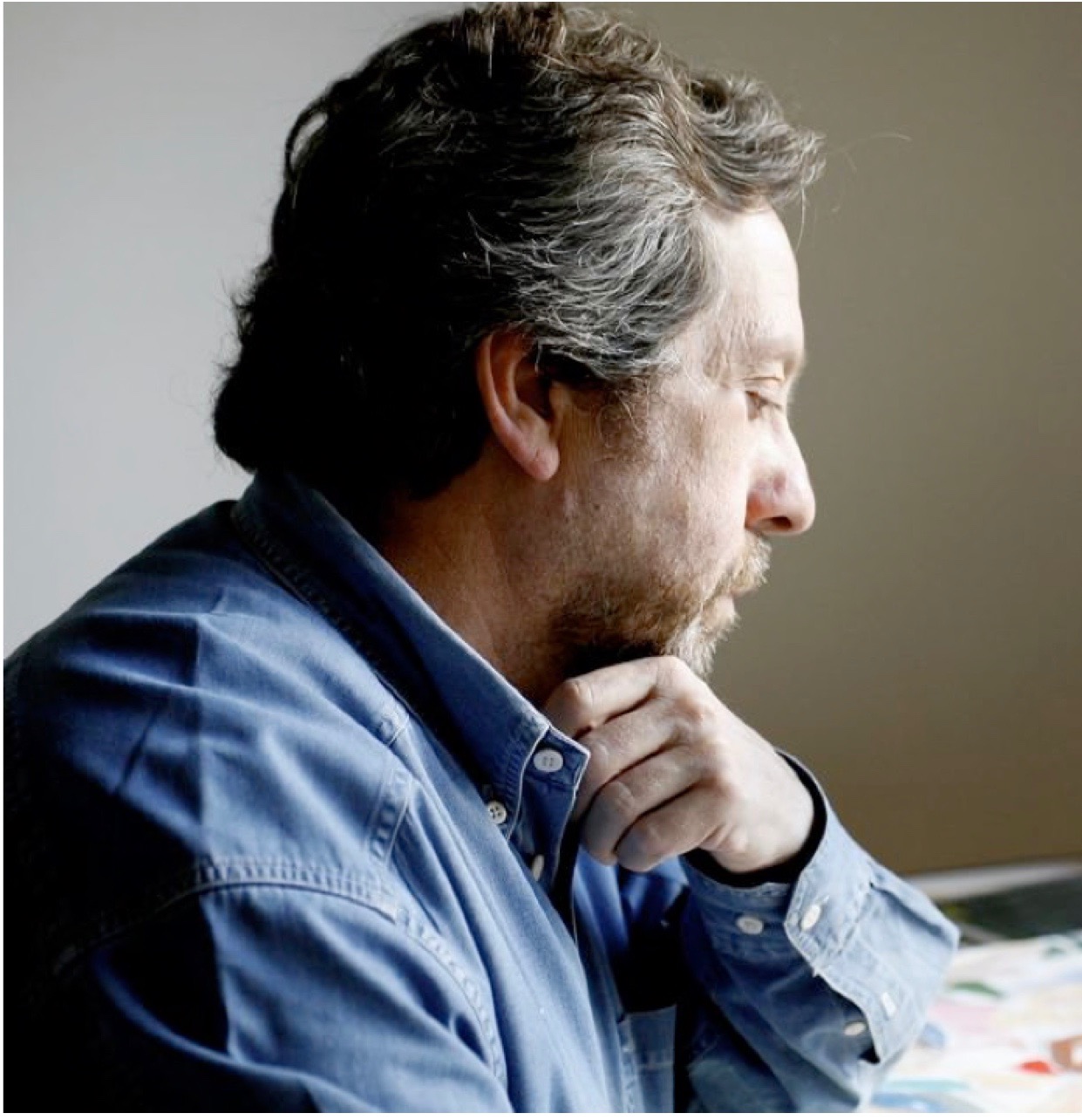
Natascha is a new agent at Bookends Literary (she’s now at The Tobias Literary Agency) and a former editorial assistant for Simon & Schuster. She is open to submissions for picture books, middle grade, and young adult across multiple genres: contemporary, mysteries, thrillers, fantasy, historical fiction, and narrative non-fiction. She is looking for authors, illustrators, and author-illustrators.
Thank you, Natascha, for your insightful answers.
What was your favorite role during your days as an editorial assistant at Simon & Schuster?
There were two things I loved about working at Simon & Schuster: reading the submissions to find that standout project, and working with the design team to come up with great covers. As an agent, I can still find that diamond in the rough, but I will miss coming up with cover concepts.
Were there any manuscripts you helped acquire that you’re particularly proud of?
Kit Frick’s See All the Stars (Summer 2018) is one I’m particularly proud of. Read it on submission and fell in love with it. I also had the opportunity to offer editorial notes. Kit is an amazingly talented writer who changed the whole manuscript with a few smart line changes. I’d love to find an author like her.
Could you walk us through the acquisitions process—what stars had to align in order for S&S to select a manuscript for publication?
Every book is different and sometimes, editors don’t follow the process. But in general, once an editor has a project they want to pursue, they take it to the editorial meeting. If the other editors agree (and sometimes they don’t), the editor takes it to acquisitions. I worked at two literary imprints, so quality of writing was a big factor. After that it came down to a host of factors: editorial taste, vision for the project, and market saturation. Publishing is subjective, and sometimes timing plays a part of that.
If you could name one skill you honed as an editorial assistant that has helped you transition to agenting, what would it be?
Mmmm, tough question to answer. Different aspects of being an editorial assistant helped. The number one factor that helped is probably my ability to read a manuscript and see its potential. As an editor, you have to have a vision for a project to edit it, and it’s my firm belief that an agent should also have a vision. If I don’t have a vision for your manuscript, I can’t be the best agent for you. And you deserve the best agent and the agent who gets it.
Continue reading

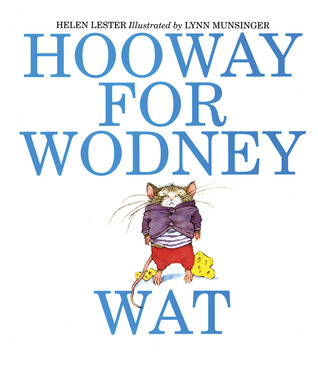
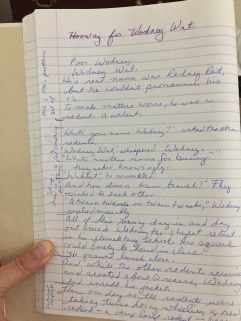 mor and just about everything else you need to write good picture books. I wanted to see how she pulled of structuring her story, so I wrote it out in long hand.
 Did you catch the two errors above? I often don’t in my own writing. You’re, your, to, too don’t show up on spellcheck and even if you know the rule for each one, your fingers may miss a key and your brain may skip over it because it knows what you meant. If you don’t know the rules regarding the use of each one, see here:
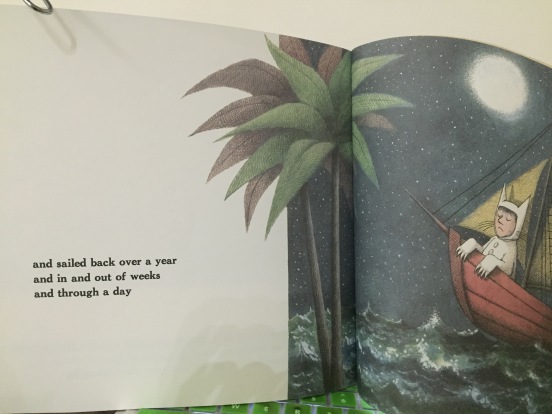 A picture book text can paint a picture or it can set the stage for a corresponding visual story. Sort of the difference between